Posted on: December 14, 2023
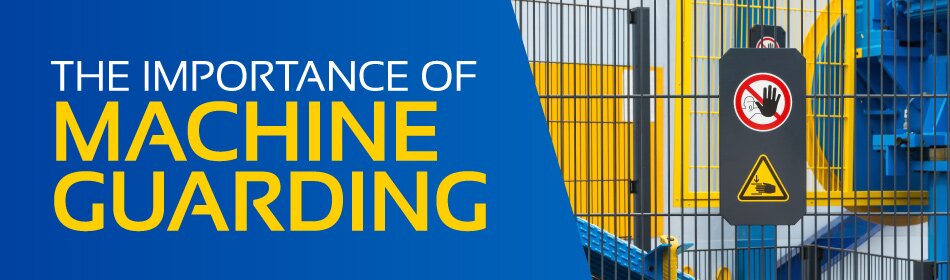
Heavy equipment and machines can make lifting and hard work much easier, but they can be dangerous if the proper precautions aren't taken. Unguarded machines can inflict amputations, wounds, and abrasions. Here, we'll discuss how to recognize and control possible hazards while operating machinery and how machine guarding can help.
Heavy equipment and machines can make lifting and hard work much easier, but they can be dangerous if the proper precautions aren't taken. Unguarded machines can inflict amputations, wounds, and abrasions. Here, we'll discuss how to recognize and control possible hazards while operating machinery and how machine guarding can help.
There are five methods of machine guarding: guards, devices, location or distance, and other awareness barriers.
Guards are physical barriers that enclose dangerous machine parts and prevent employees from coming into contact with them. Guards are intended to protect employees from moving parts, pinch points, and flying debris at the site of operation. OSHA classifies machine guards into four types:
Protective devices are controls or attachments that usually prevent employees from accidentally accessing hazardous machine areas. These devices have a variety of uses, such as:
Another way to safeguard workers from mechanical risks is to place the machine or its hazardous moving parts that are not accessible or pose a hazard to a worker during normal operation. This includes placing operational controls at a safe distance, building facilities to separate the machine from the operator, and positioning risky parts high enough that the worker cannot reach them.
Although awareness barriers do not provide perfect protection against machine risks, they can provide the operator with an additional margin of safety. An awareness barrier does not provide physical protection but helps to alert a person that they are entering a potentially hazardous area.
Maintaining a safe workplace, particularly in manufacturing and industrial environments, requires machine guarding. Here are some of the important justifications:
To avoid risks and make it possible for personnel to safely execute their jobs, machine guards should be designed, fitted, and maintained correctly.
Machine guarding ensures a safe work environment and increases production. It acts as a physical barrier against accidents and demonstrates a company's commitment to employee well-being and quality control. Despite technological advancements, protecting the human element is vital for general success.
Machine Guarding Safety training is essential for individuals operating heavy machinery or in industrial settings to ensure safety on the job site. OSHA.com training teaches workers how to protect themselves against moving equipment and apply machine-guarding regulations effectively. Head to our website to enroll and ensure your and your team’s safety.
Contenido no disponible


